
Do all your barrier samples really need OTR / WVTR testing?
As packaging developers explore recyclable, fiber-based and coated materials, efficient screening of new barrier structures becomes increasingly important. While oxygen transmission rate (OTR) and water vapor transmission rate (WVTR) testing remain essential for final performance validation, not every sample necessarily needs to undergo these tests during early-stage development.
Ultra-low air permeance measurements can provide valuable insight into coating integrity and structural closure, helping R&D teams identify promising barrier structures before proceeding to more extensive testing.
From porous paper to a closed structure
Paper and board contain interconnected pores. As coatings are applied, open flow paths can become progressively restricted. Measuring air permeance provides insight into this structural development. A lower value can indicate a more closed structure, but it does not by itself establish oxygen or moisture barrier performance.
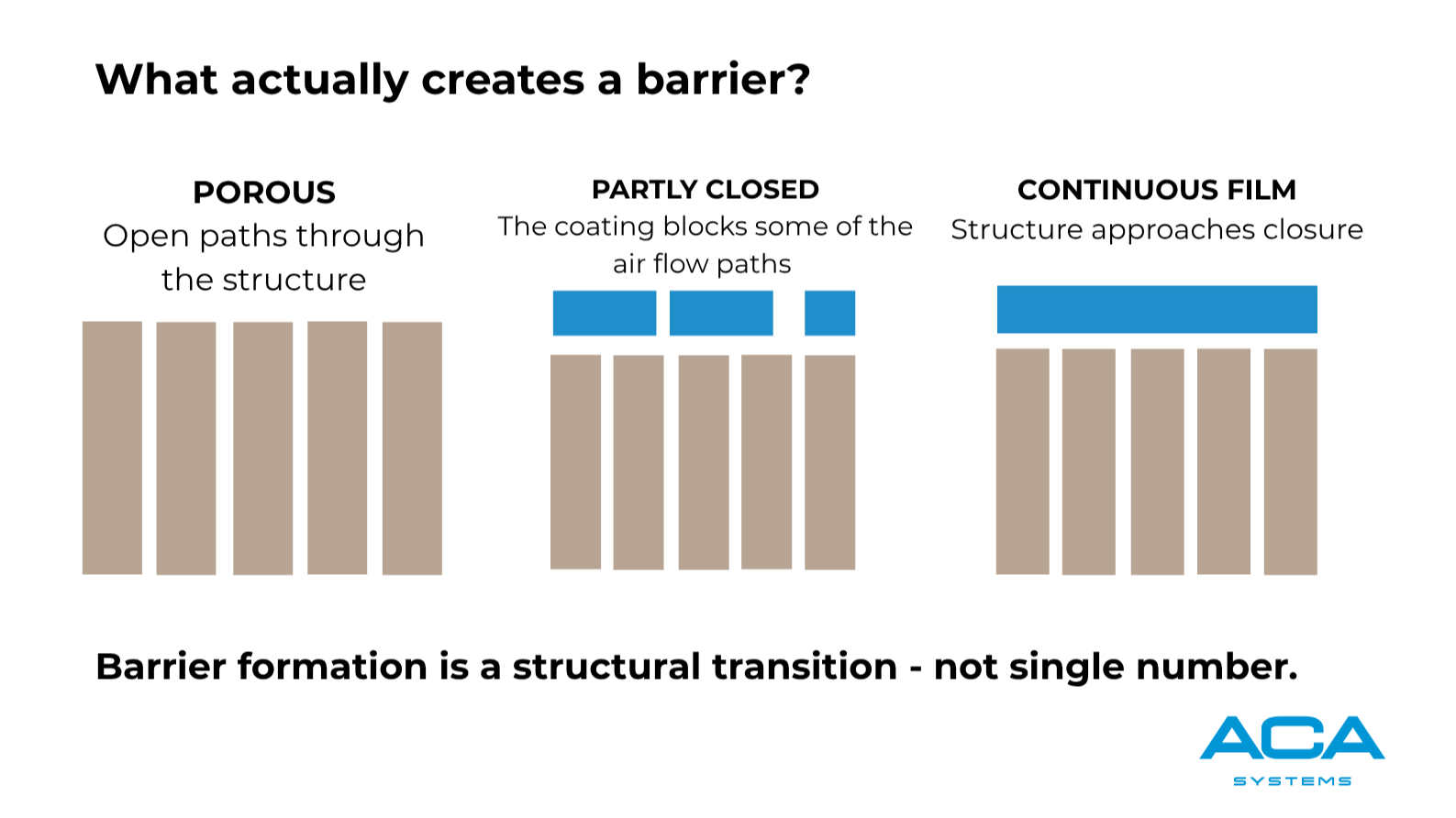
Figure 1. Structural development from porous substrate toward a closed coating (ACA sales-training illustration).
The link between air permeance and barrier performance
Peer-reviewed studies of coated paper, including work by Kjellgren and colleagues and by Hult and colleagues, have examined air permeance alongside gas-barrier performance. These studies support a useful general principle: closing pores and improving coating continuity can reduce air flow and contribute to improved oxygen-barrier performance.
Published research also highlights an important limitation: low air permeance does not automatically guarantee low oxygen transmission (OTR) or low water vapor transmission (WVTR). Final barrier performance depends on the material system, coating chemistry, thickness, humidity and test conditions. Nevertheless, air-permeance measurements can help establish an approximate, material-specific structural screening limit. By comparing air permeance results with measured OTR and WVTR on representative samples, developers can identify a practical air-permeance level that promising structures should reach before final validation. This is a useful screening criterion, not a universal threshold or a guarantee that OTR/WVTR requirements are met.
A faster decision before OTR / WVTR testing
Consider a development project with 20 coating formulations at four coat weights: 80 samples. Rather than sending every sample directly to OTR/WVTR testing, a team could first compare structural closure, identify outliers and prioritize promising candidates for full validation. The actual value of this approach must be established for each material family through sample studies and correlation with the customer’s barrier requirements.
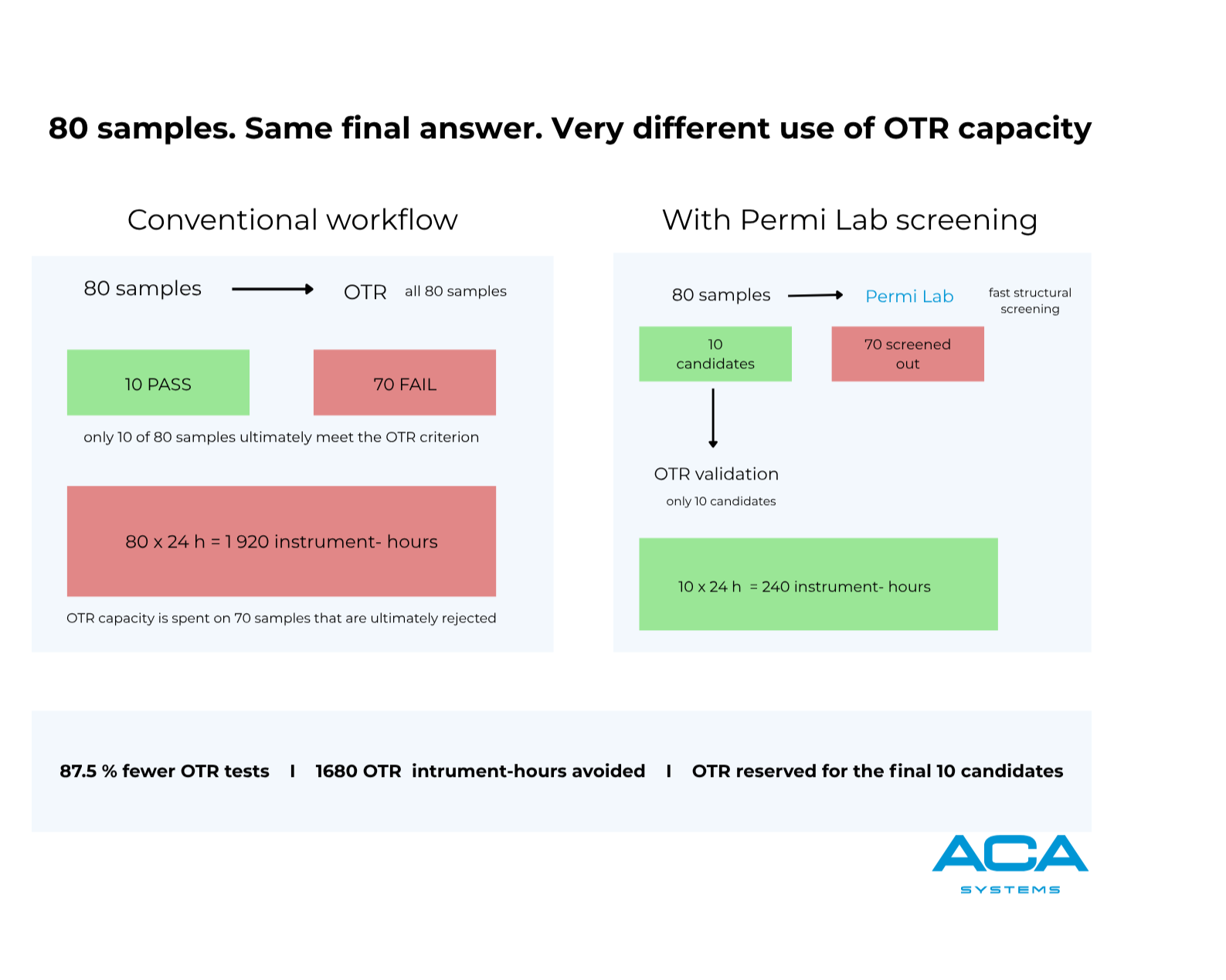
Figure 2. Illustrative screening-before-validation workflow (ACA sales-training material).
ACA Permi Lab LP300: Screening before OTR / WVTR testing
The ACA Permi Lab LP300 is designed to measure extremely low air permeance, making it particularly useful for testing dense and barrier-coated paper and board. With a measurement range of 5–40,000 pm/(Pa·s), the LP300 can detect small differences in air permeance that may be difficult to measure using conventional methods.
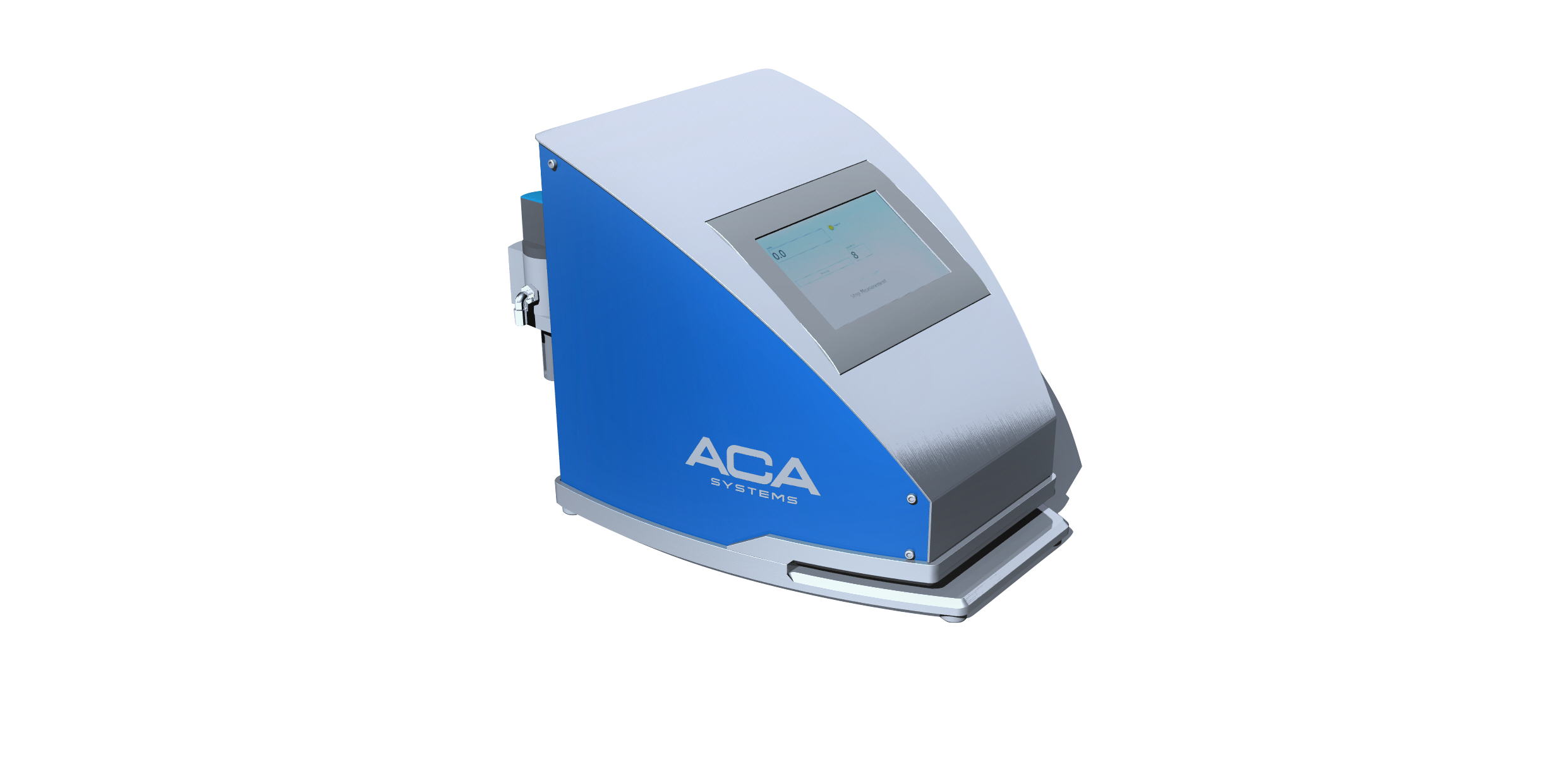
Figure 3. ACA Permi Lab
This helps R&D teams evaluate how effectively different coatings reduce air flow through the material. By comparing different coating formulations or measuring several points across a sample, developers can identify differences in structural closure and coating uniformity. These results can help determine which samples should undergo further OTR and WVTR testing.
A smarter approach to barrier development
By combining ultra-low air permeance measurements with OTR and WVTR testing, R&D teams can make barrier development more efficient. The ACA Permi Lab LP300 helps identify differences between coating formulations and select promising samples for further testing, while OTR and WVTR measurements confirm the final barrier performance.
Developing barrier-coated paper, board or packaging materials? Contact ACA Systems to learn how the LP300 could support your testing process and help streamline your R&D workflow.
References
Kjellgren, H. et al. (2006). Barrier and surface properties of chitosan-coated greaseproof paper. Carbohydrate Polymers, 65, 453–460.
Hult, E.-L., Iotti, M. & Lenes, M. (2010). Efficient approach to high barrier packaging using microfibrillar cellulose and shellac. Cellulose, 17, 575–586.